
Does functional fitness benefit genders differently?
While functional exercise benefits everyone, some unique advantages show up differently in men and women due to differences in physiology, hormones, and lifestyle needs.
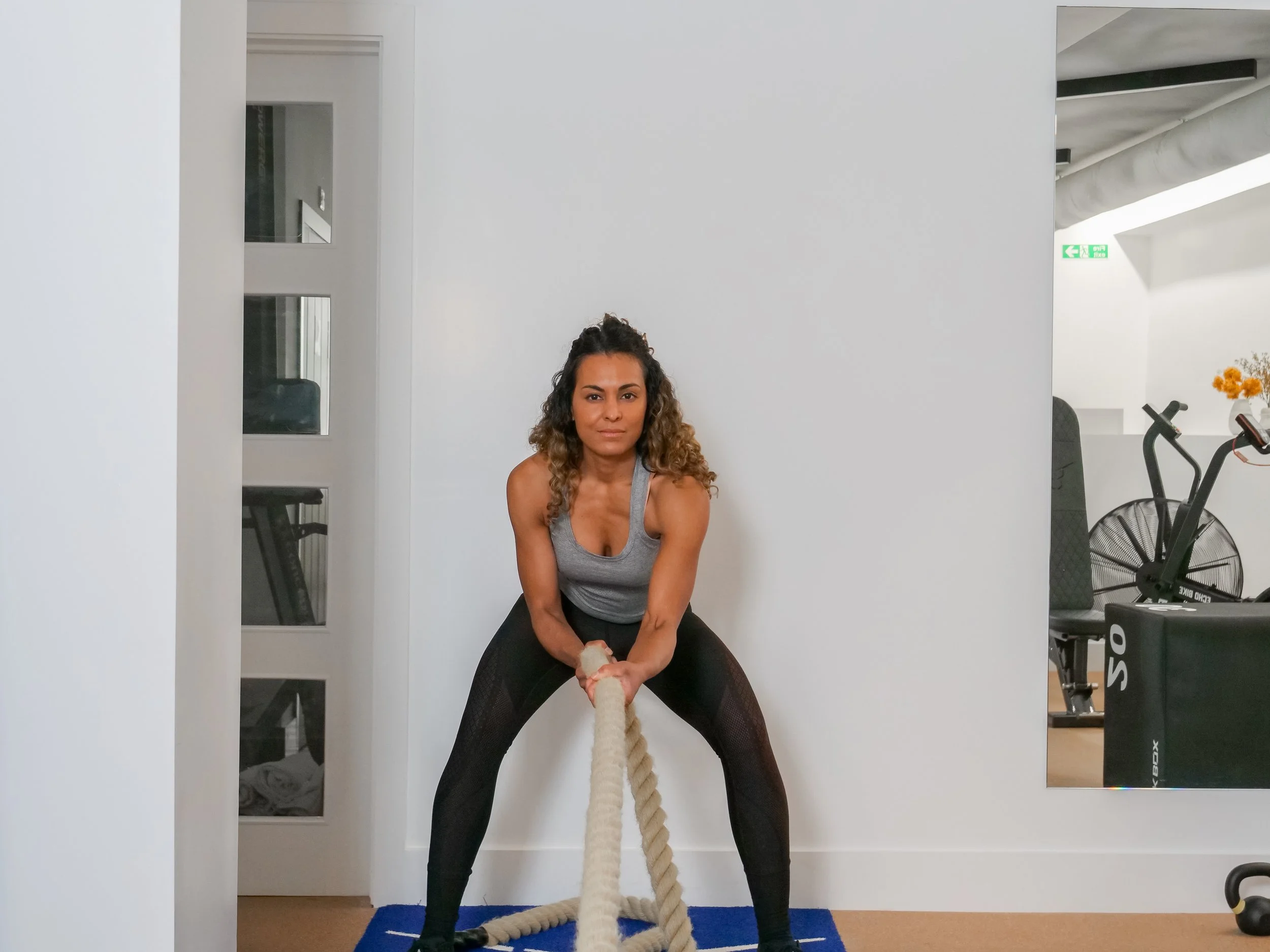
Women:
Pelvic floor and core support: Functional movements that engage the core (e.g. planks and bridges) help strengthen the pelvic floor, which is especially important during and after pregnancy, and as women age.
Bone density support: Women are at higher risk of osteoporosis, especially post-menopause. Weight-bearing functional movements (like lunges and push-ups) help maintain and improve bone density.
Hormonal balance & stress reduction: Functional training (especially when combined with mobility work or breath-based movement) supports hormone regulation, reduces cortisol, and helps manage PMS, perimenopause, or menopause symptoms.
Body alignment & joint Health: Women often have different joint alignment (e.g., wider hips affecting knees). Functional exercises strengthen stabilising muscles to support healthy joint movement and prevent injury.
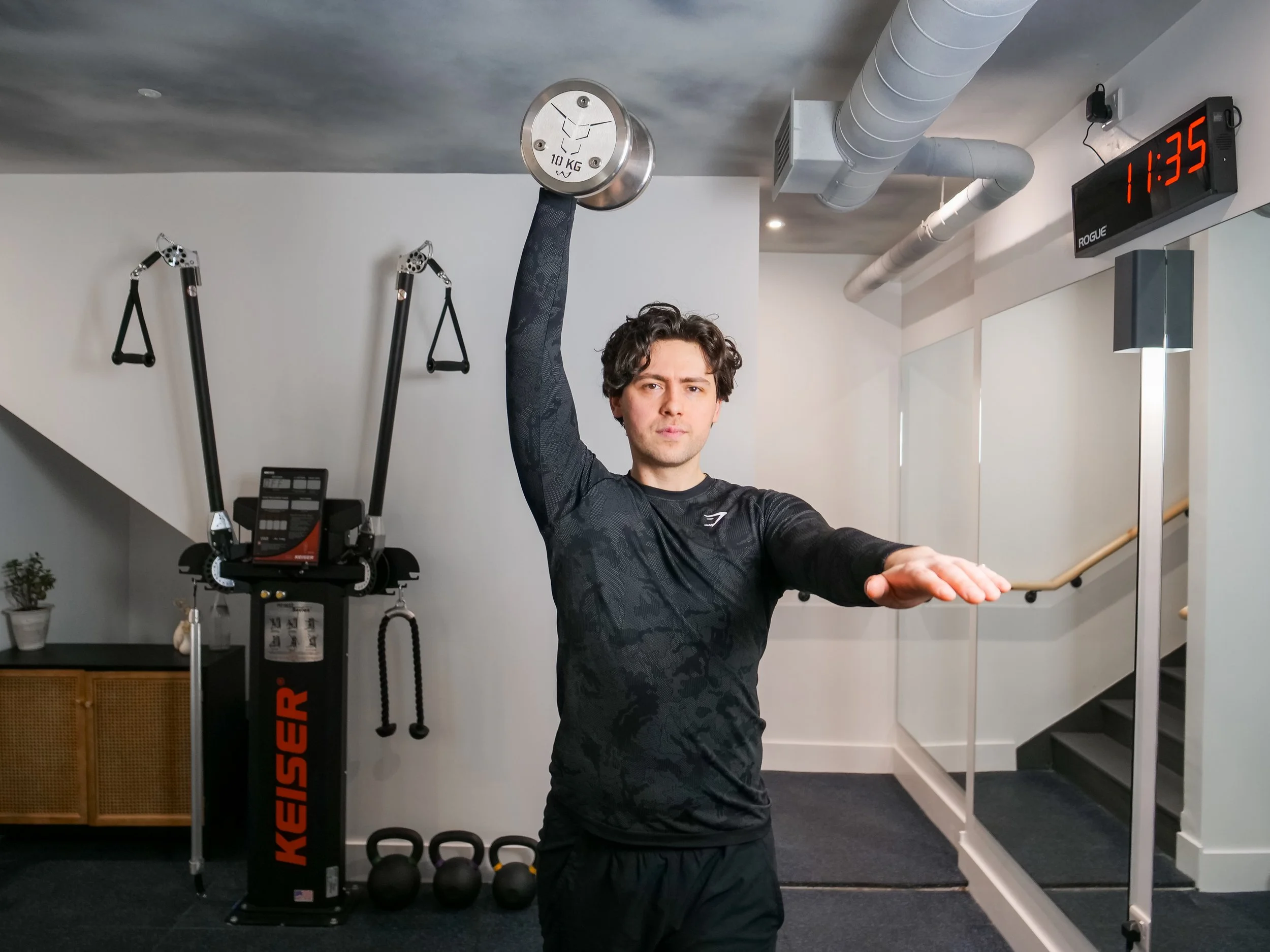
Men:
Improved mobility & flexibility: Men are often tighter in areas like hips, hamstrings, and shoulders. Functional movements help increase range of motion, which reduces stiffness and lowers injury risk, especially with age.
Balanced muscle development: Men often focus on lifting heavy or targeting large muscles. Functional training promotes balanced, full-body strength, helping to avoid muscle imbalances and joint strain.
Core activation & injury prevention: Men may unintentionally over-rely on upper body strength. Functional core-focused moves (like rotational lifts or anti-rotation planks) strengthen stabilisers that protect the lower back and improve posture.
Supports lean muscle maintenance with age: As testosterone levels decline with age, men can lose muscle mass. Functional strength training helps preserve lean muscle and support metabolic health.
