
Recovery-Focused Fitness
Recovery-focused fitness is all about giving your body the time, tools, and care it needs to repair, rebuild, and come back stronger. It is just as important as the workout itself the approach isn’t just for elite athletes, it is vital for everyone.
For those with limited time, recovery-focused fitness helps you get the most out of every workout by ensuring your body is ready to perform again — sooner and better. It reduces the risk of burnout and injury, helping you maintain consistent progress without setbacks.
Remember, rest is part of progress. It helps your muscles rebuild stronger and prevents burnout.
Why Recovery Matters
When you exercise, especially with strength training or high-intensity workouts, you create small micro-tears in your muscles. Recovery is the process by which these tears repair and your muscles grow stronger. Without proper recovery, you risk overtraining, injury, fatigue, and stalled progress. Recovery also supports your nervous system, helping reduce stress and improve sleep — two key factors for overall health and wellbeing and is especially important for busy working professionals, juggling demanding schedules.
What Does Recovery-Focused Fitness Look Like?
Active recovery days: for most people, 1–3 rest or active recovery days per week are ideal, depending on workout intensity and fitness level. Rest days don’t have to mean complete inactivity instead these days should involve light activities like walking, gentle yoga, or stretching to promote blood flow and healing without strain.
Listen to your body: your body is the best gauge of when to push and when to pause. Signs you need rest include:
Persistent muscle soreness lasting more than 72 hours
Decreased performance or strength in workouts
Feeling unusually fatigued or lethargic
Increased irritability or mood changes
Trouble sleeping or restless nights
Elevated resting heart rate (a sign of stress on the body)
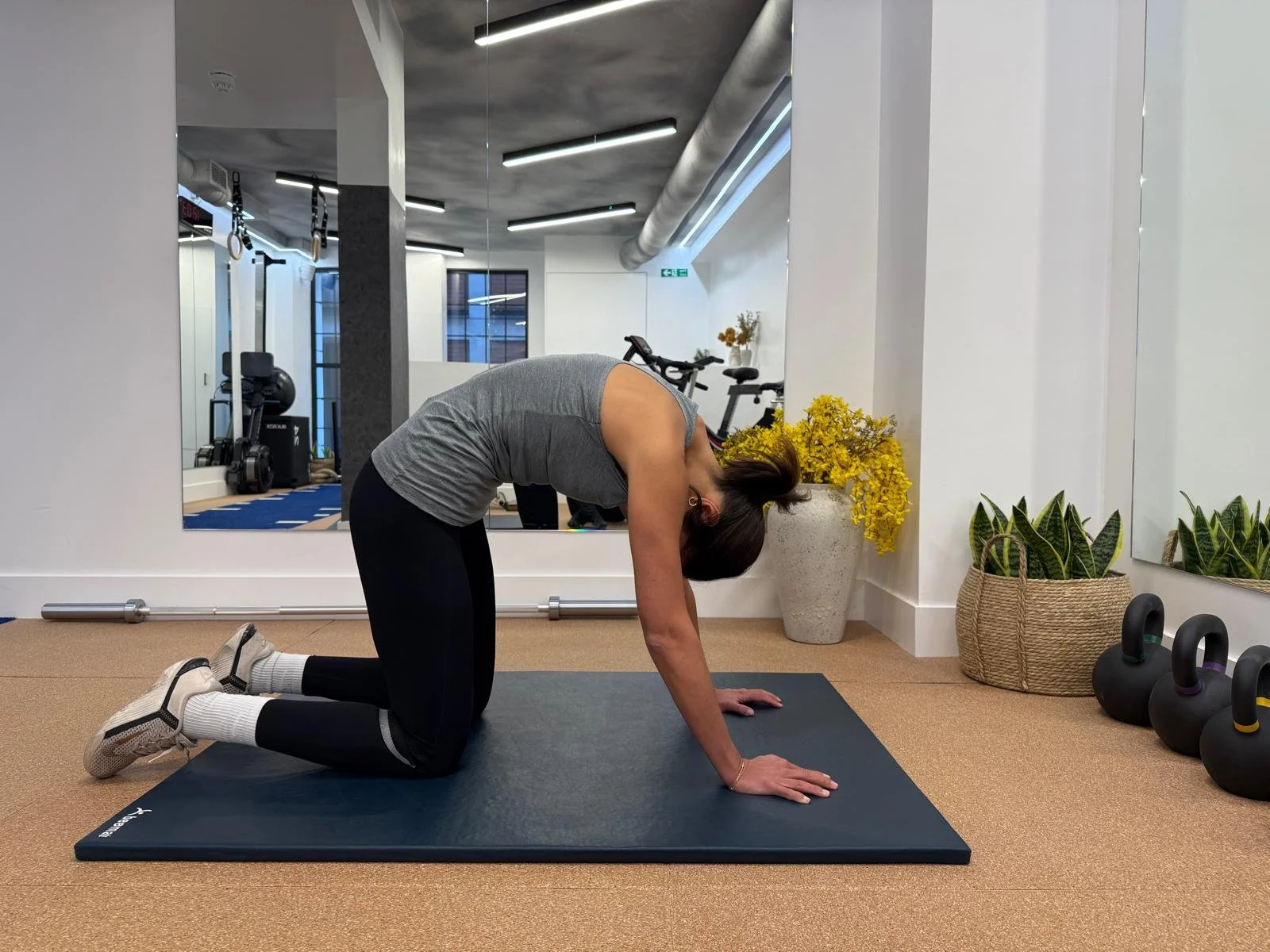
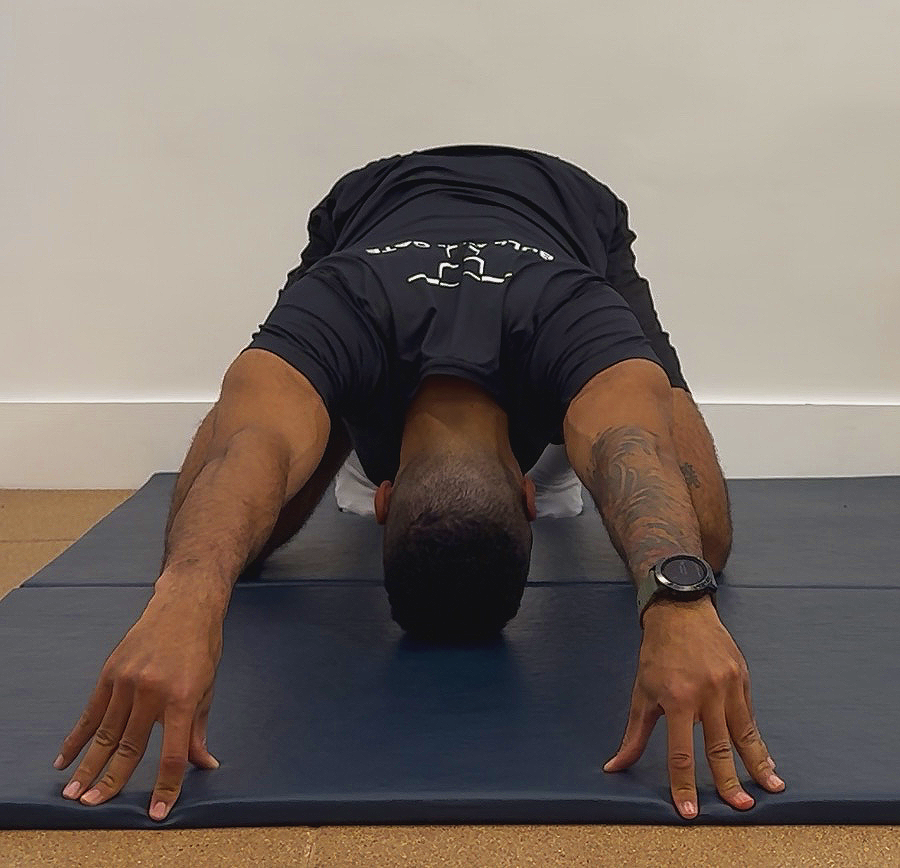
Stretching and mobility work: incorporating regular stretching and mobility exercises improves flexibility, reduces muscle tightness, and prevents injuries. Techniques like dynamic stretching pre-workout and static stretching post-workout are key components.
Understand the difference between motivation and fatigue
Motivation comes with a general feeling of eagerness and mental readiness to train, even if your body feels a little tired. You feel inspired and focused.
Fatigue is when your body feels drained, heavy, or weak, and your mind may feel foggy or unmotivated. Training during this state can increase injury risk and delay progress.
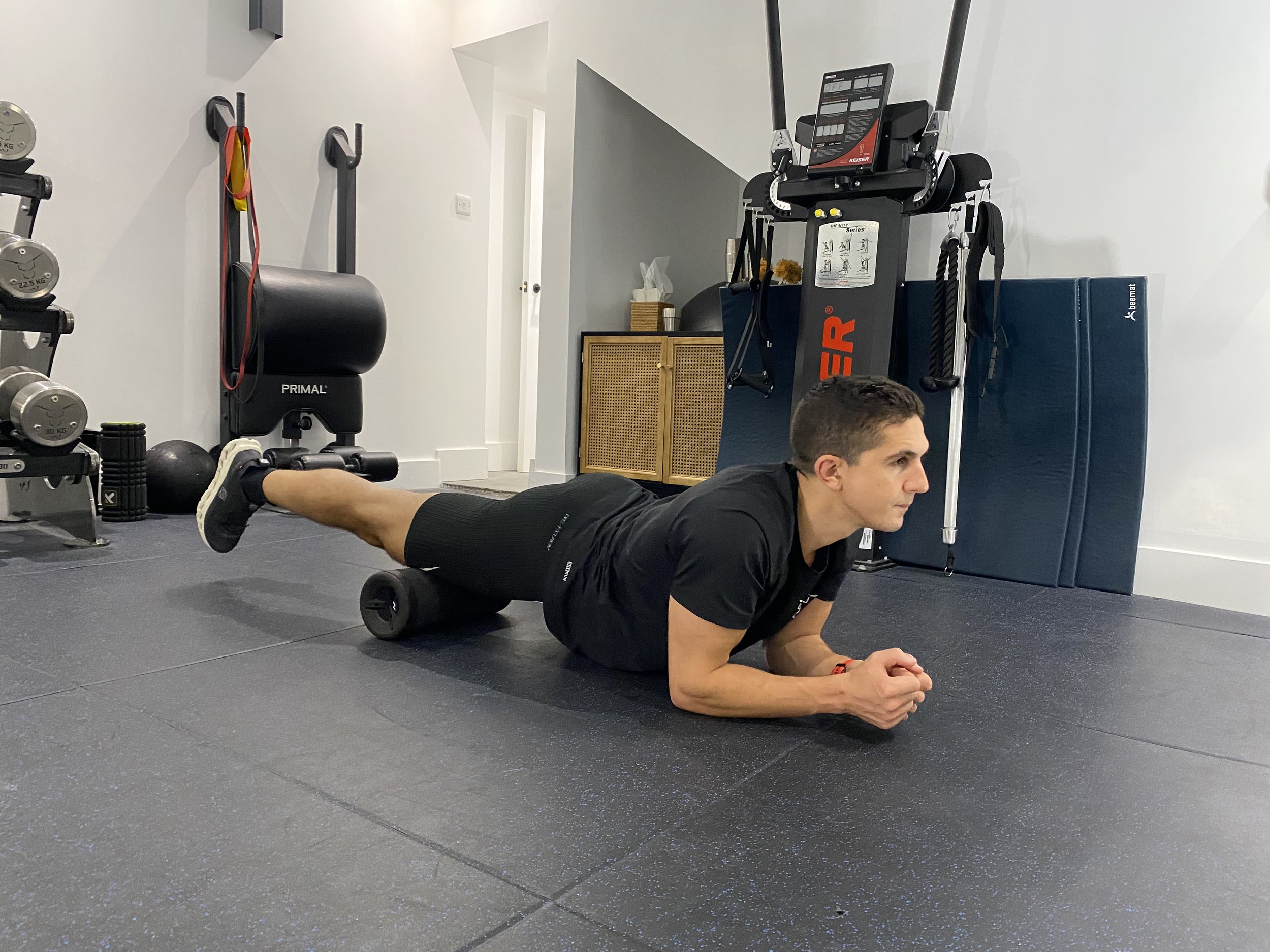
Foam rolling and self-myofascial release: using tools like foam rollers or massage balls helps release muscle knots and improve tissue quality, which can speed up recovery and reduce soreness.
Sleep optimization: quality sleep is the foundation of recovery. Prioritizing 7–9 hours per night allows your body to repair and your brain to reset.
Hydration and nutrition: supporting recovery through proper hydration and nutrient intake, especially protein and anti-inflammatory foods, fuels muscle repair and reduces inflammation.
Refuel with carbohydrates (aim to consume carbs within 30–60 minutes post-workout to maximize glycogen replenishment)
Repair with protein (aim for about 20–30 grams of quality protein within 30-60 minutes post-workout Combining protein with carbohydrates enhances recovery.)
Include healthy fats and don’t forget macronutrients (a balanced diet rich in fruits, vegetables, nuts, and seeds helps cover these needs)
Replace lost fluids - start rehydrating during exercise by sipping water regularly and continue immediately after. Don’t wait until you feel thirsty as this is a late indicator of dehydration.
Mind-body practices: incorporating mindfulness, meditation, or breathing exercises can help regulate the nervous system, lower cortisol levels, and promote mental recovery alongside physical healing.
