
POSTURE IS POWER
How you hold yourself doesn’t just change how others perceive you, it changes how you think, feel and perform. Whether you’re presenting to clients, leading a meeting, or simply moving through your day, your posture directly impacts both your physical and mental state.
Research in psychology and physiology shows an interplay between body alignment and brain chemistry. Poor posture, such as rounded shoulders or a forward head position, can limit breathing efficiency and reduce oxygen flow, which in turn affects focus and mood. Studies have linked slouched postures to lower self-esteem, decreased motivation, and reduced resilience in stressful settings.
In contrast, upright and expansive postures send powerful signals to your nervous system. Harvard’s “power posing” research famously demonstrated that adopting confident stances for just two minutes could raise testosterone (a confidence-related hormone) by up to 20% and reduce cortisol (the stress hormone) by about 25%. In practice, that means a simple posture adjustment can prime your body for calm authority.
Five quick ways to improve posture and project confidence
Use confident “power poses”. Before meetings or calls, stand tall with feet grounded and hands on hips or open at your sides.
Check in throughout the day. Set reminders to do a quick posture scan. Are you slouching over emails or your phone? Realign and re-energise.
Optimise your workspace. Adjust your chair, desk height, and screen level so your body supports good posture naturally.
Breathe deeply and evenly. Pair upright posture with slow, diaphragmatic breaths to improve oxygen intake and calm your mind.
Targeted exercises consistently performed daily (even for 5-10 minutes) will improve flexibility, reduce tension and encourage better posture.
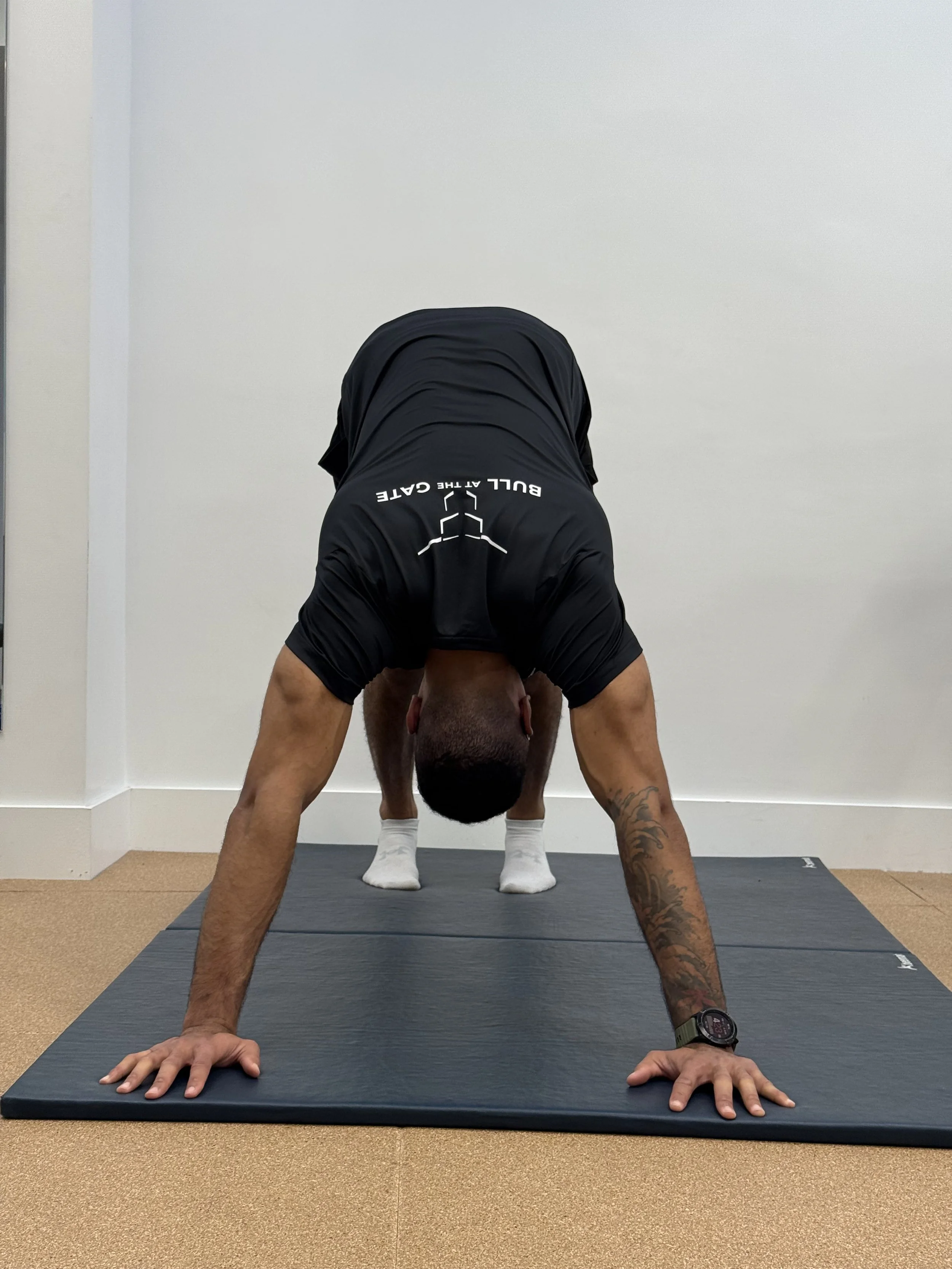
Downward Dog Pose
By actively stretching the hamstrings, calves, and Achilles tendon, this pose increases flexibility in the posterior chain, allowing for a more upright and stable posture when standing or sitting.
Engaging the shoulders, arms, and upper back encourages stability and helps prevent rounded shoulders—a common contributor to poor posture
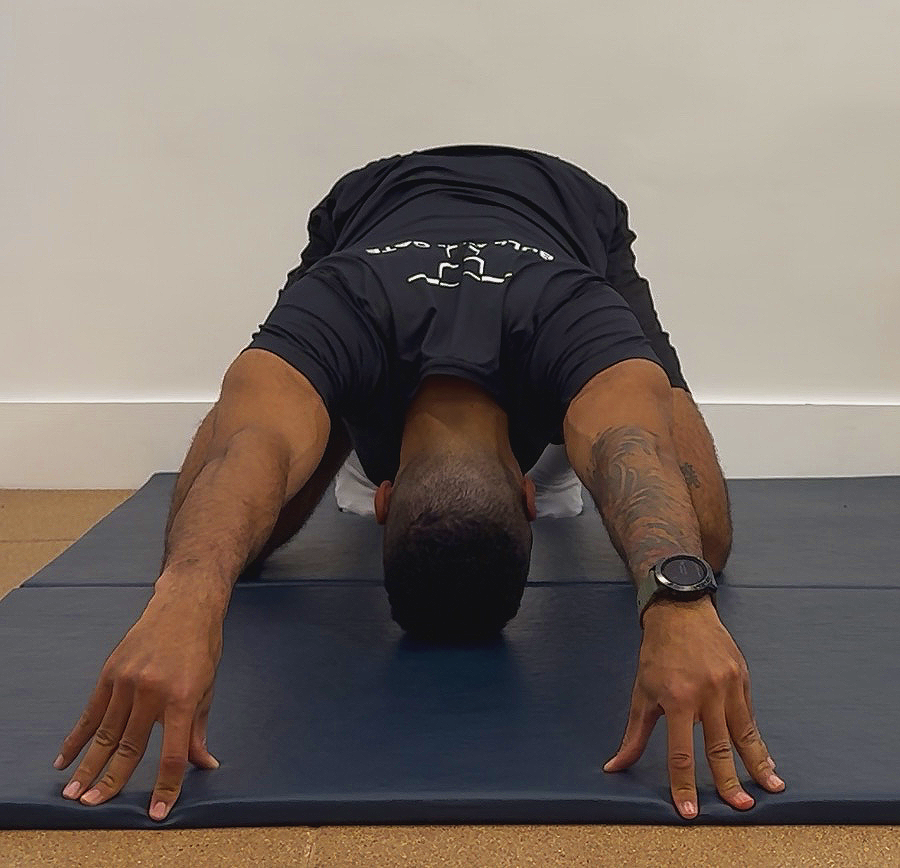
Child’s Pose
The pose gently stretches and lengthens the spine, helping to decompress the lower back and relieve tension built up from prolonged sitting or standing. It also stretches the hips, thighs, and ankles, which improves flexibility in key areas that influence overall posture.
