
THE MATCHA MOMENT
In recent years Matcha has become the must-have beverage in health and wellness circles all over the world. From Instagram feeds to trendy cafes, the green powder has quickly transformed from a niche tea into a global sensation.
Matcha started out in Japan hundreds of years ago, where it was used by monks to help stay focused and calm during long meditation sessions. For a long time, it was mostly a special tradition in East Asia but has gained popularity over the last decade due to people searching for natural, antioxidant-rich alternatives to coffee. The health/wellness movement and social media influencers have been big enablers in Matcha’s popularity. But with all the hype, you might be wondering — is matcha really as good for you as everyone claims? Or is it just another health trend riding a wave? We will dive into what matcha really is, explore its benefits, and help you decide if it deserves a spot in your daily routine.
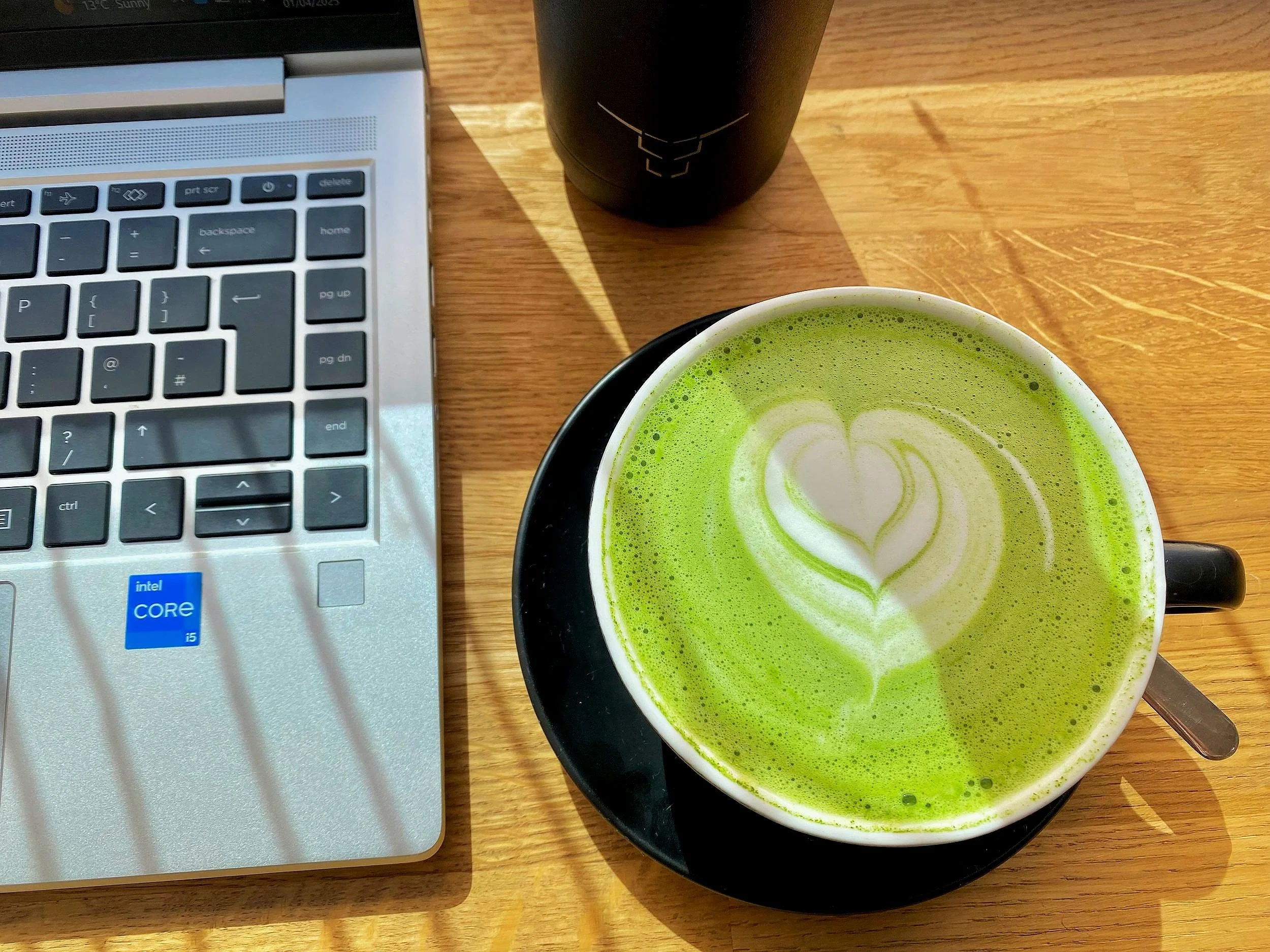
Freshly made organic matcha latte | Nine Bars
What are the potential benefits of drinking matcha?
Rich in Antioxidants: Matcha is loaded with catechins, a powerful antioxidant that helps fight free radicals, supports immune health, and may reduce inflammation.
Calm, Sustained Energy Boost: Matcha contains caffeine but also L-theanine, an amino acid that promotes relaxation and mental clarity without the jitters or crash often associated with coffee. The combination of caffeine and L-theanine can improve alertness, concentration, and memory.
Supports Detoxification: Because matcha is shade-grown (covered with shade cloths or grown under natural shade), it has higher chlorophyll (the green pigment found in plants) content, which may help detoxify the body naturally.
Matcha vs. coffee - should you switch?
Energy & Alertness: Coffee usually delivers a stronger, quicker caffeine hit, but it can cause jitters or energy crashes. Matcha offers a gentler, longer-lasting energy boost due to L-theanine.
Digestive Impact: Coffee is acidic and can sometimes irritate the stomach or cause acid reflux (especially when consumed on an empty stomach). Matcha is gentler on digestion for most people.
Nutrient Density: Matcha is whole powdered green tea leaves, so you consume all the nutrients in the leaf, while coffee is just an extract.
So: consider the type of caffeine you’re consuming, how your body feels, and what you need in that moment. If you want a more balanced, antioxidant-rich, less jittery pick-me-up, matcha is a great choice. If you need a strong, immediate caffeine punch, coffee might still be your go-to.
Typical Recommendation: 1 to 2 cups a day (about 1 to 2 teaspoons of matcha powder) is a good amount to enjoy benefits without overdoing caffeine.
Caffeine Content: Each teaspoon has roughly 60-70 mg of caffeine, about half a cup of coffee’s caffeine.
What are the potential downsides and cautions?
Caffeine Sensitivity: Matcha contains caffeine, so if you’re sensitive or avoid caffeine, it might cause sleep issues or jitters, especially if consumed late in the day.
Quality Matters: Lower-quality matcha might be bitter or contain contaminants like lead (absorbed from soil). Always buy high-grade, organic matcha from reputable sources. The ingredient list is your best friend here as many matcha’s are laced with sugar and sweeteners. This is because natural matcha has a very distinct, grassy taste and not for everyone.
Possible Interactions: If you take blood thinners or medications, consult your doctor because green tea compounds might interact with some drugs. And, although gentler than coffee matcha’s caffeine and tannins can still upset sensitive stomachs.
In summary
If you’re looking for a gentle, antioxidant-packed boost without the jitters, matcha is definitely worth trying. It’s a great way to add variety to your routine and enjoy some unique health benefits. Just remember to listen to your body and choose quality matcha to get the best experience. Whether you stick with your usual coffee or add matcha into the mix, it’s all about finding what works best for you.
